PRODUCTS
-
Coronary
Coronary
PCI / CTO / BIF /
CABG / CAGCoronary
-
Structure & Congenital
Structure & Congenital
TAVI / TAVI Videoscope /
TAVI Horizontal /
TAVI Cardiocranial / MV /
TPVI / TSP/ASD/PFO Closure / LAA ClosureStructure & Congenital
-
EP
EP
EP / CRT / Leadless PM
EP
-
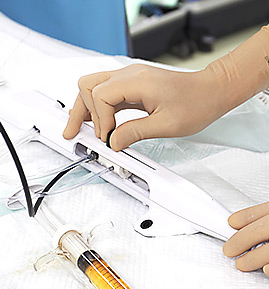
PCI Model
This model allows trainees to understand the strategy behind dealing with various lesions, especially severe calcification.
-
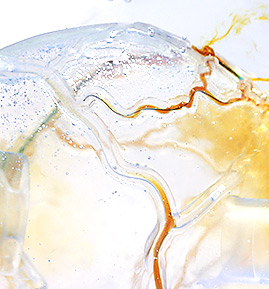
CTO Model
This is a chronic total occlusion disease model. It features multiple collateral channels between LAD and RCA, and between LCX and RCA.
-
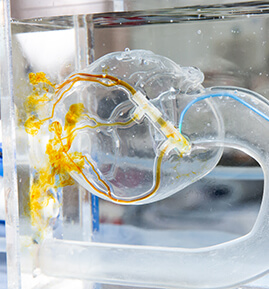
BIF Model
BIF model can facilitates the full procedures around LM (left main) bifurcation and LAD-Dx (diagonal branch) bifucarion strategies.
-
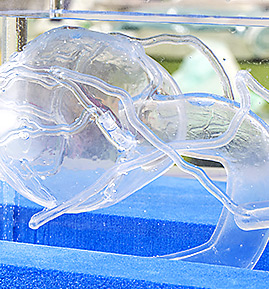
CABG Model
This is a triple vessel disease model with a triple coronary artery bypass grafting.
-
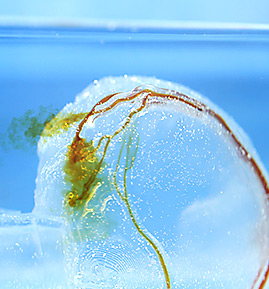
CAG model
This system facilitates the entire training for catheter-based techniques necessary in CAG and basic PCI.
-
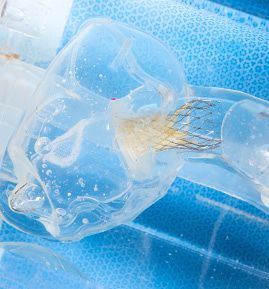
TAVI Model
A detachable aortic valve part can be helpful for quick preparation and effective training.
-
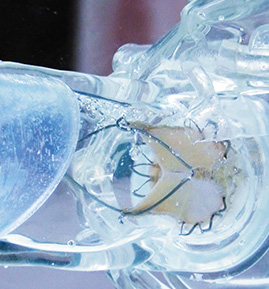
TAVI Videoscope Model
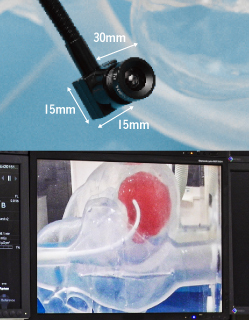
TAVI Videoscope Model can facilitate coronary access simulation training with a videoscope showing En Face view.
-
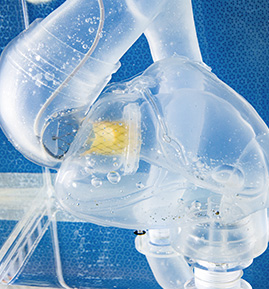
TAVI Horizontal Model
Horizontal aortic root anatomy causes difficuty in the valve positioning and delivery system retrieval process in TAVI procedure.
-
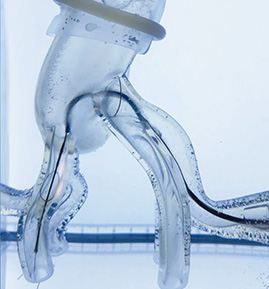
TAVI CEP
This model can facilitate the following series of simulation including.
-
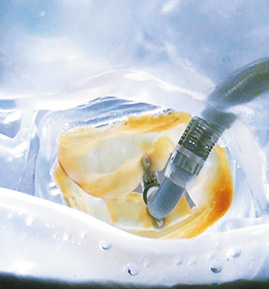
MV Model
This model can facilitate mitral clipping procedure, which means percutaneous mitral valve repair using the edge-to-edge technique.
-
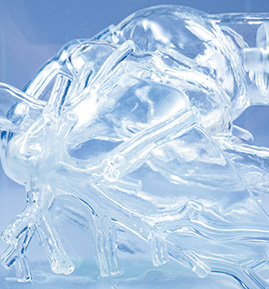
TPVI Model
This model can facilitate TPVI (Transcatheter Pulmonary Valve I mplantation) simulation training.
-
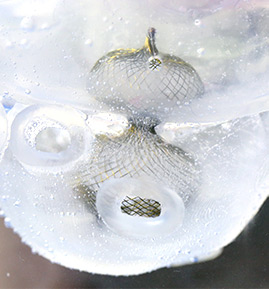
TSP/ASD/PFO Closure Model
This model facilitates training for atrial septal defects (ASD) closure procedure, a catheter-based operation for patients with congenital defects of the atrial septum.
-
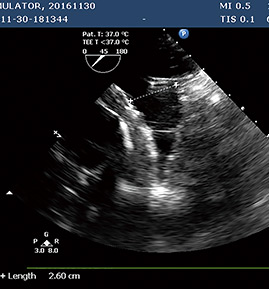
LAA Closure Model
This model facilitates training for left atrial appendage (LAA) closure procedure, a catheter-based operation for patients at risk of stroke due to atrial fibrillation.
-
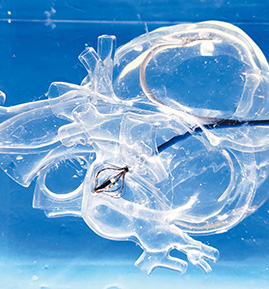
EP Model
HEARTROID Ablation model facilitates technical training for cat heter manipulation and 3D mapping, which are basic skills required for catheter ablation.
-
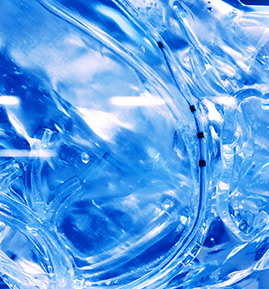
CRT Model
This model can facilitate the simulation training of how to insert the intravenous leads from subclavian/axillary vein to the coronary sinus (CS), right ventricular apex and atrial septum.
-
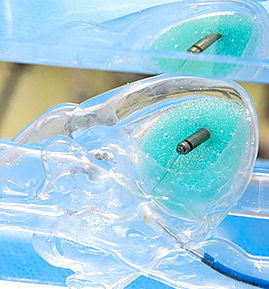
Leadless PM Model
Leadless PM model facilitates simulated training of a leadless pacemaker device implantation procedure, with or without X-ray visualization.
-
Endovascular
Endovascular
AAA / EVT / RDN /
Myocardial BiopsyEndovascular
-
Heart failure & Others
Heart failure & Others
Myocardial Biopsy / Percutaneous VAD / CSR
Heart failure & Others
-
NV
NV
Neurovascular
NV
-
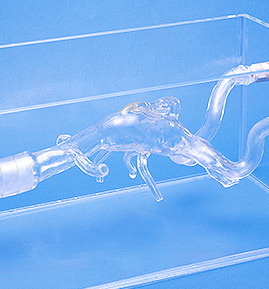
AAA Model
HEARTROID AAA model is designed for training in Stent graft deployment under X-ray fluoroscopy and camera view.
-
EVT Model
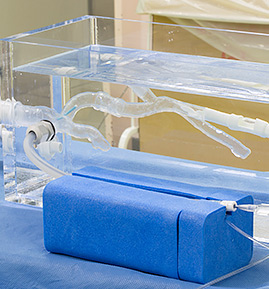
HEARTROID EVT model facilitates simulation for peripheral intervention procedures under X-ray fluoroscopy and non-fluoroscopic situation.
-
RDN Model
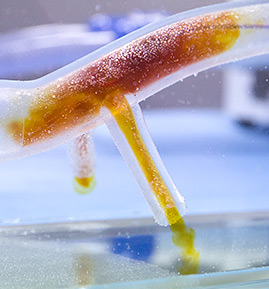
HEARTROID RDN model allows trainees to understand how to manipulate catheters during Renal denervation (RDN) procedure with or without X-ray fluoroscopy.
-
EMB Model
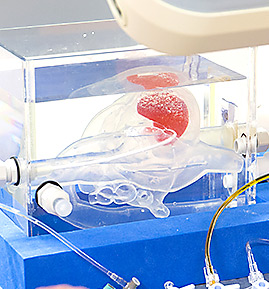
With this model, the myocardial biopsy procedure can be simulated under X-ray fluoroscopy, similar to the set-up in a real cath lab.
-
Percutaneous VAD Model
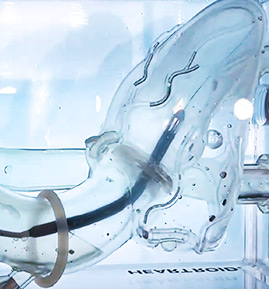
This model can facilitate how to insert the device from femoral or subclavian artery to the appropriate position.
-
CSR Model
This model can facilitate how to plan where to deploy the device and learn the entire procedure from coronary venography to safe removal of the delivery catheter through the simulation training.
-
Coronary
Coronary
Coronary
-
Structure & Congenital
Structure & Congenital
Structure & Congenital
-
EP
EP
EP
-
Endovascular
Endovascular
Endovascular
-
Heart failure & Others
Heart failure & Others
Heart failure & Others
-
NV
NV
NV
-
PCI Model
This model allows trainees to understand the strategy behind dealing with various lesions, especially severe calcification.
-
CTO Model
This is a chronic total occlusion disease model. It features multiple collateral channels between LAD and RCA, and between LCX and RCA.
-
BIF Model
BIF model can facilitates the full procedures around LM (left main) bifurcation and LAD-Dx (diagonal branch) bifucarion strategies.
-
CABG Model
This is a triple vessel disease model with a triple coronary artery bypass grafting.
-
CAG model
This system facilitates the entire training for catheter-based techniques necessary in CAG and basic PCI.
-
TAVI Model
A detachable aortic valve part can be helpful for quick preparation and effective training.
-
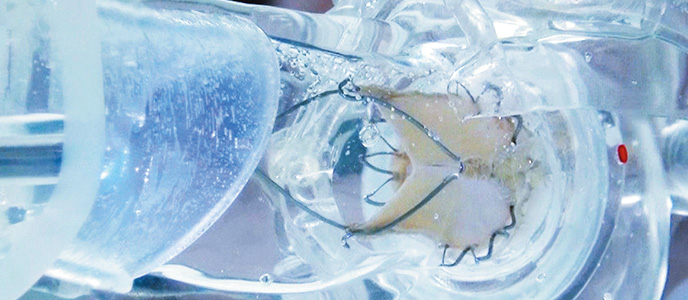
TAVI Videoscope Model
TAVI Videoscope Model can facilitate coronary access simulation training with a videoscope showing En Face view.
-
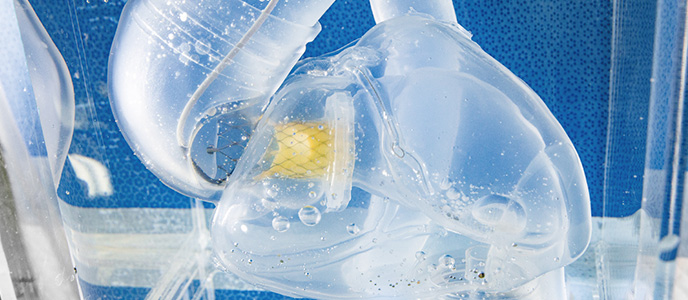
TAVI Horizontal Model
Horizontal aortic root anatomy causes difficuty in the valve positioning and delivery system retrieval process in TAVI procedure.
-
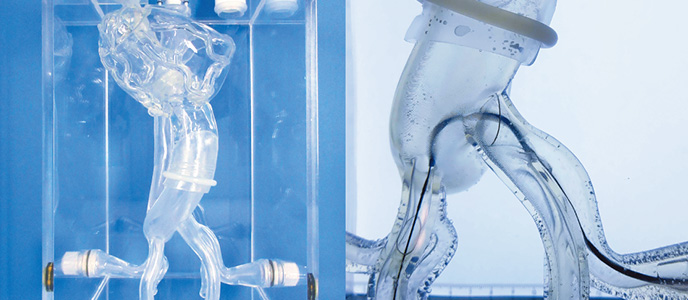
TAVI CEP
This model can facilitate the following series of simulation including.
-
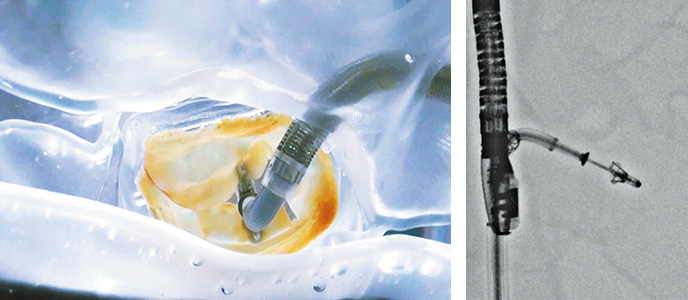
MV Model
This model can facilitate mitral clipping procedure, which means percutaneous mitral valve repair using the edge-to-edge technique.
-
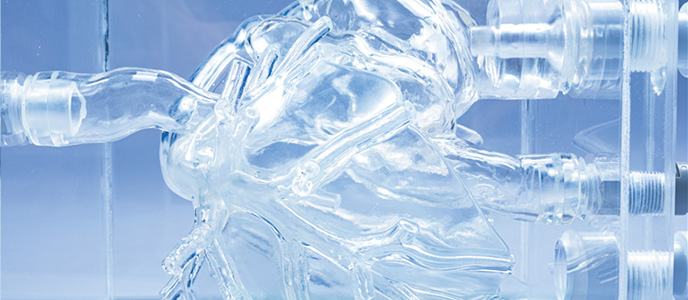
TPVI Model
This model can facilitate TPVI (Transcatheter Pulmonary Valve I mplantation) simulation training.
-
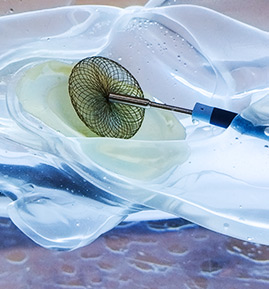
TSP/PFO Closure Model
This model facilitates training for atrial septal defects (ASD) closure procedure, a catheter-based operation for patients with congenital defects of the atrial septum.
-
LAA Closure Model
This model facilitates training for left atrial appendage (LAA) closure procedure, a catheter-based operation for patients at risk of stroke due to atrial fibrillation.
-
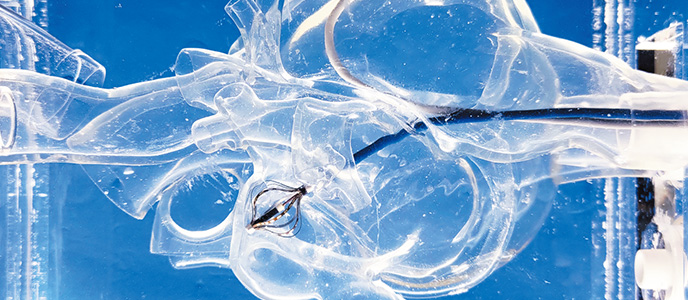
EP Model
HEARTROID Ablation model facilitates technical training for cat heter manipulation and 3D mapping, which are basic skills required for catheter ablation.
-
CRT Model
This model can facilitate the simulation training of how to insert the intravenous leads from subclavian/axillary vein to the coronary sinus (CS), right ventricular apex and atrial septum.
-
Leadless PM Model
Leadless PM model facilitates simulated training of a leadless pacemaker device implantation procedure, with or without X-ray visualization.
-
AAA Model
HEARTROID AAA model is designed for training in Stent graft deployment under X-ray fluoroscopy and camera view.
-
EVT Model
HEARTROID EVT model facilitates simulation for peripheral intervention procedures under X-ray fluoroscopy and non-fluoroscopic situation.
-
RDN Model
HEARTROID RDN model allows trainees to understand how to manipulate catheters during Renal denervation (RDN) procedure with or without X-ray fluoroscopy.
-
EMB Model
With this model, the myocardial biopsy procedure can be simulated under X-ray fluoroscopy, similar to the set-up in a real cath lab.
-
Percutaneous VAD Model
This model can facilitate how to insert the device from femoral or subclavian artery to the appropriate position.
-
CSR Model
This model can facilitate how to plan where to deploy the device and learn the entire procedure from coronary venography to safe removal of the delivery catheter through the simulation training.